By Dr. Abdulrahim Ibrahim Abdulwahed
ASTANA — As nations race to harness the transformative power of artificial intelligence, Kazakhstan is positioning itself as an emerging hub for digital innovation by hosting one of the world’s largest gatherings of young AI talent. Bringing together more than 500 of the brightest school students from 106 countries, the 3rd International Olympiad in Artificial Intelligence (IOAI 2026) has turned Astana into a global meeting point for the next generation of innovators, highlighting the country’s growing ambitions to become a regional leader in advanced technologies and digital transformation.
By hosting one of the world’s leading AI competitions for school students, Kazakhstan is reinforcing its growing profile as an emerging centre for digital innovation while advancing its long-term vision of building a knowledge-based economy powered by technology, education and international collaboration.
Artificial Intelligence is a Defining Force
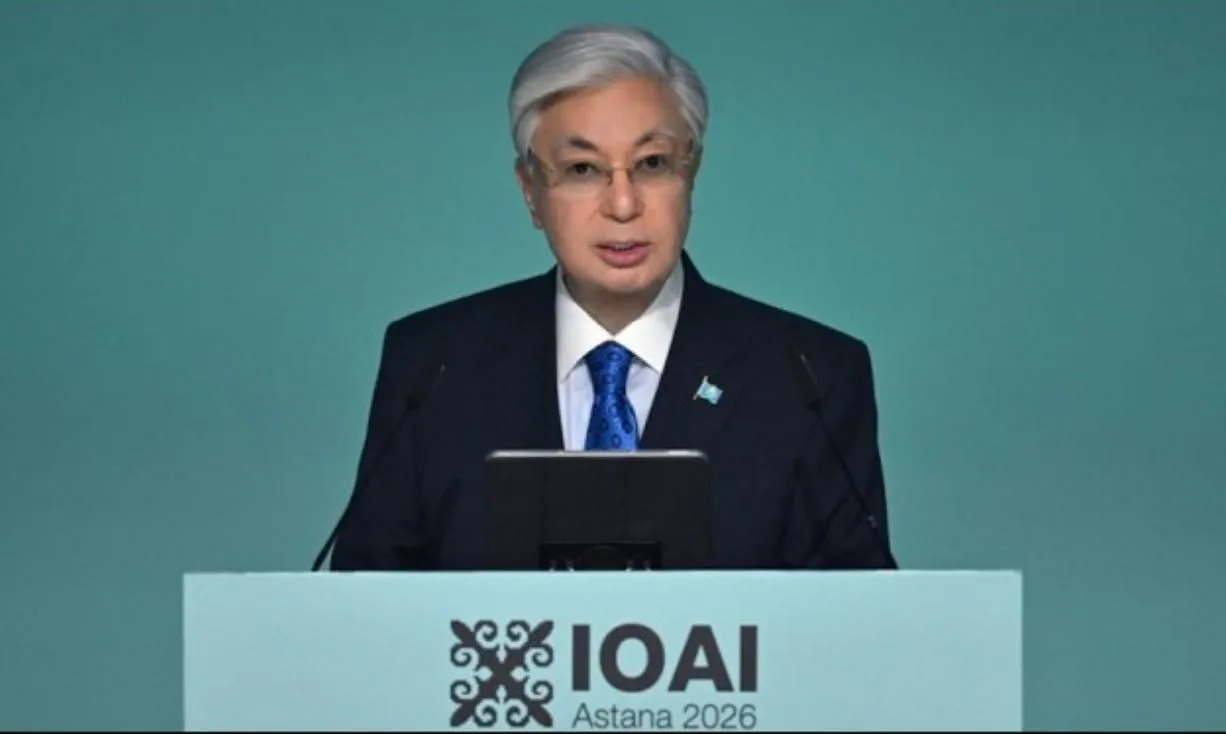
President Kassym-Jomart Tokayev officially opened the week-long Olympiad, describing artificial intelligence as a defining force of the modern era and reaffirming Kazakhstan’s commitment to building a knowledge-based economy driven by innovation, technological excellence and world-class education.
Held in Astana from August 2 to 8, the Olympiad has brought together more than 500 school students from 106 countries, who are competing in advanced artificial intelligence challenges, including AI model development and autonomous robot programming. Widely regarded as one of the world’s premier AI competitions for school students, the event also serves as a platform for international collaboration and technological exchange.
Opening the Olympiad, President Tokayev said Kazakhstan had made a deliberate strategic choice to embrace digital transformation, noting that rapid advances in artificial intelligence, machine learning and big data are reshaping economies, public administration, education and scientific research around the world.
He highlighted Kazakhstan’s progress in digital governance, pointing out that the country currently ranks 24th among 193 countries in the United Nations E-Government Development Index (EGDI), while remaining the leading nation in Central Asia in terms of readiness to adopt emerging technologies.
Integrated Innovation Ecosystem
According to the President, Kazakhstan is building an integrated innovation ecosystem in which artificial intelligence will play an increasingly important role in modernizing public administration, accelerating economic growth and transforming business across multiple sectors.
Tokayev recalled that, in his State of the Nation Address last year, he instructed the government to transform Kazakhstan into a fully digital state within three years. He said the designation of 2026 as the Year of Digitalization and Artificial Intelligence reflects the country’s determination to achieve that objective, adding that innovation-driven development has also been enshrined in Kazakhstan’s new Constitution, which entered into force on July 1.
The President stressed that technological progress must be accompanied by sustained investment in education and talent development, describing young people as the driving force behind the country’s digital future.

Exceptional Intellectual Potential of Kazakhstan’s Youth
Kazakhstan’s students have already demonstrated their growing capabilities on the international stage. At last year’s International Olympiad in Artificial Intelligence in Beijing, the country’s school team won three gold, one silver and three bronze medals, an achievement Tokayev said reflected the exceptional intellectual potential of Kazakhstan’s youth as well as the dedication of their teachers and mentors.
“Knowledge has always united people and driven humanity toward new horizons of progress,” the President told participants. “The ideas you develop today may one day become breakthrough solutions in medicine, education, environmental protection and many other fields that will shape our future.”
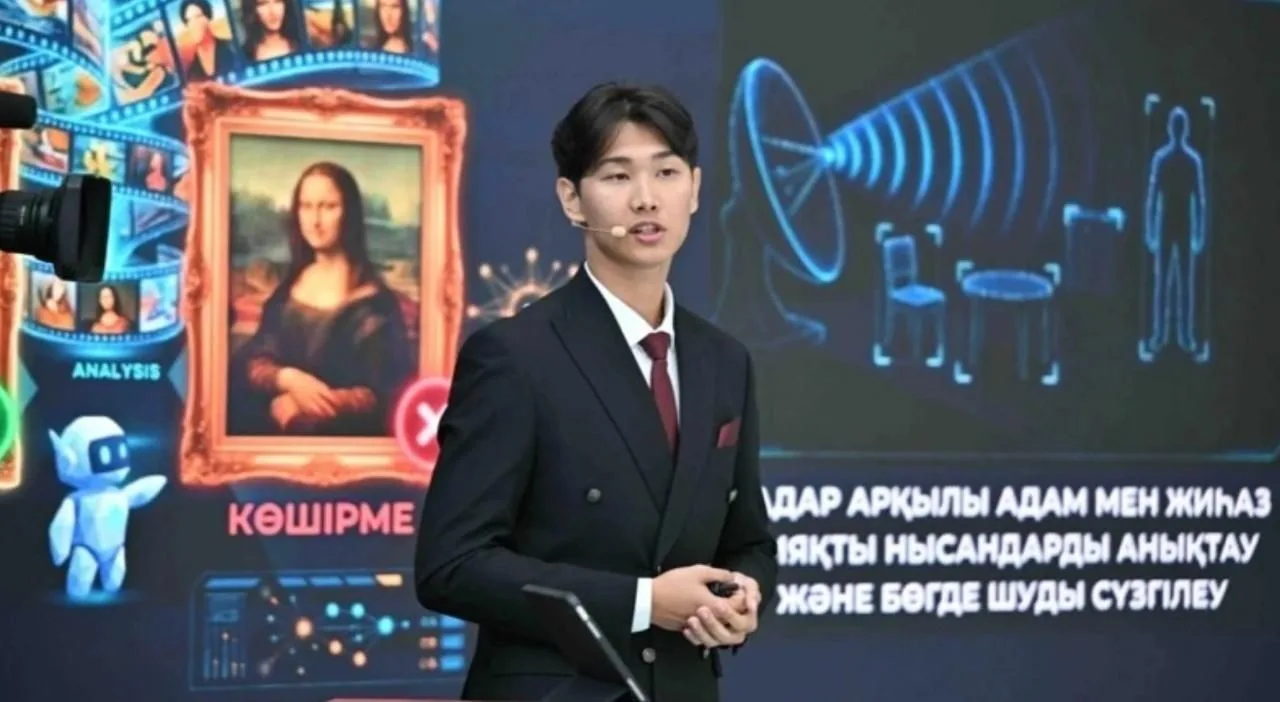
Following the opening ceremony, Tokayev toured the Olympiad venue, where organizers briefed him on the competition format, technical challenges and judging process. The President was also introduced to an autonomous robot developed as part of the event’s technological showcase.
Officials say the Olympiad is expected to extend its impact well beyond the week-long competition by strengthening international cooperation in artificial intelligence, encouraging innovation among young researchers and inspiring the next generation of technology entrepreneurs.
Building the Foundations of an AI Economy
Kazakhstan’s ambitions in artificial intelligence extend far beyond hosting international competitions. The country is pursuing a long-term strategy that seeks to nurture talent at every stage—from school classrooms and universities to research institutions, innovation hubs and commercial technology ventures.
The results are already beginning to emerge. At last year’s International AI Olympiad in Beijing, Kazakhstan’s national team captured three gold medals, one silver and three bronze, underscoring the growing strength of the country’s young technology talent. President Kassym-Jomart Tokayev described the achievement as further evidence of Kazakhstan’s expanding scientific and intellectual potential.
Education leaders, however, believe success in AI must rest on a broad academic foundation. Speaking to Kazinformduring the Olympiad, Bagdat Mussin, President of the Kazakhstan Competitive Programming Federation, stressed that while programming and artificial intelligence are becoming indispensable career skills, they cannot replace strong knowledge in disciplines such as physics, chemistry and biology. Instead, he argued, AI should complement these fields and serve as a catalyst for innovation across the wider economy.
This philosophy is increasingly reflected in national policy. Artificial intelligence has been integrated into university programs, while the government has launched an ambitious initiative to equip one million people with AI-related skills over the next five years. The program targets not only students, but also public-sector employees, entrepreneurs and professionals across a broad range of industries.
Expanding the Digital Backbone
Talent development is being matched by significant investments in digital infrastructure designed to support Kazakhstan’s technological ambitions.
In recent months, the country has commissioned Central Asia’s first advanced AI supercomputers, expanded high-speed satellite connectivity through OneWeb and Starlink, concluded cooperation agreements with Amazon’s Project Kuiper, and inaugurated the International Center for Artificial Intelligence.
At the international level, Kazakhstan is also seeking a stronger role in shaping the future of AI. It has become a founding member of the World Artificial Intelligence Cooperation Organization (WAICO) and has secured strategic partnerships with NVIDIA and U.S.-based AI infrastructure company Firebird to develop next-generation computing capacity.
Taken together, these initiatives point to a broader objective: establishing a comprehensive AI ecosystem supported by education, research, digital infrastructure and international collaboration rather than relying on isolated technology projects.
Turning Investment into Innovation
The next challenge is ensuring that these investments translate into lasting innovation and economic value.
Indian Ambassador to Kazakhstan Y. K. Sailas Thangal has previously argued that artificial intelligence should be viewed as an enabling technology capable of transforming sectors ranging from healthcare and education to agriculture, governance and smart cities when applied responsibly. That perspective closely mirrors Kazakhstan’s own vision of AI as a cross-cutting driver of economic modernization rather than a standalone industry.
Experience from leading technology economies suggests, however, that sustained AI leadership depends on more than digital infrastructure alone. It requires world-class universities, robust scientific research, access to private investment, vibrant startup ecosystems, effective commercialization of innovation and an environment that encourages highly skilled graduates to build their careers at home.
Hosting the International AI Olympiad has undoubtedly elevated Kazakhstan’s profile within the global technology community. The greater test will be whether the country can convert that international attention into lasting scientific excellence, entrepreneurial growth and a globally competitive innovation ecosystem capable of supporting future generations of AI talent.


Discover more from Dubai New Style
Subscribe to get the latest posts sent to your email.