Customizing an abaya allows women to infuse personal style into a garment that balances tradition with individuality. In Dubai, where fashion draws from diverse influences, tailoring options range from subtle adjustments to bold transformations. This process begins with understanding core elements like fabric, design, and fit, ensuring the final piece aligns with both cultural norms and modern preferences.
Fabric Selections for Comfort and Durability
Choosing the right material forms the foundation of any custom abayas. Breathable options like chiffon or georgette suit Dubai’s warm climate, providing lightness without sacrificing opacity. For cooler evenings or indoor settings, heavier silks or crepes add a luxurious feel. Sustainable fabrics, such as organic cotton blends, are gaining traction, offering eco-friendly alternatives that maintain elegance. These choices not only enhance comfort but also extend the garment’s lifespan through better resistance to wear.
When customizing, consider layering fabrics for added texture. A base of matte crepe with sheer overlays can create depth, ideal for those seeking a modest style for women that feels contemporary. Testing swatches in natural light helps visualize how the material interacts with skin tones and existing wardrobes.
Design Elements to Enhance Elegance
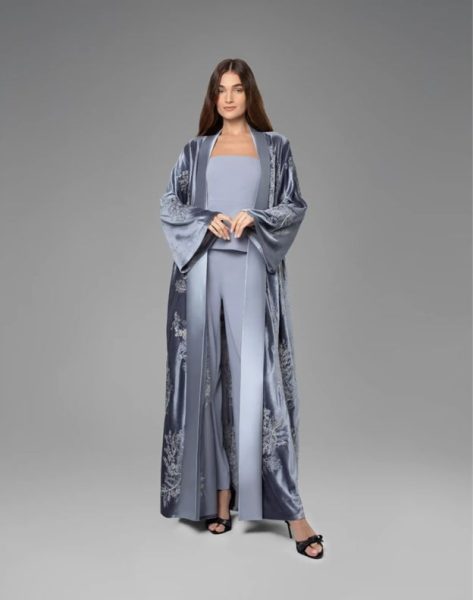
Incorporating unique design features elevates a standard abaya to a personalized statement. Asymmetrical hems introduce movement and modernity, allowing for varied lengths that suit different occasions. Open-front styles, popular for their versatility, can be customized with belt loops or hidden closures for adjustable fits.
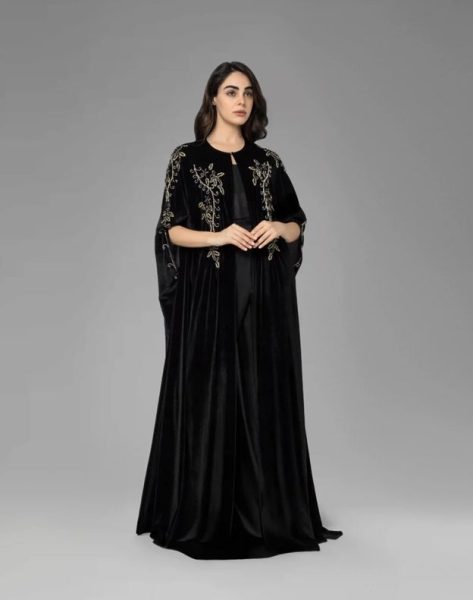
Embellishments offer another avenue for creativity. Subtle embroidery in floral or geometric patterns adds artistry without overwhelming the design. For a touch of glamour, integrate Swarovski crystals or beadwork along edges or sleeves, drawing from Dubai’s affinity for refined details. Kimono-inspired sleeves provide a flowing silhouette, blending global trends with local aesthetics for a modern abaya that feels effortless.
Oversized elements, like dramatic cuffs or capes, can be tailored to individual proportions, ensuring the piece flatters while adhering to modest principles. Consulting with artisans during the design phase helps refine these ideas, turning concepts into wearable art.
Color and Pattern Choices for Personal Expression
Moving beyond traditional black, color customization opens up possibilities for self-expression. Jewel tones such as teal or lilac bring vibrancy, suitable for daytime events or professional environments. Neutral shades like beige or navy offer understated sophistication, easily paired with accessories.
Patterns play a key role in customization. Two-tone designs, combining contrasting hues, create visual interest and can elongate the figure. For those preferring minimalism, subtle prints or tonal variations keep the look clean and versatile. Floral motifs, especially in soft embroidery, add a feminine touch without excess.
When selecting, factor in skin undertones—warm shades complement golden hues, while cool tones suit fairer complexions. Experimenting with samples ensures the final choice enhances natural features.
Tailoring Techniques for Perfect Fit
A well-fitted abaya enhances confidence and functionality. Custom tailoring involves precise measurements for shoulders, length, and waist, accommodating various body types. Slimmer cuts work for streamlined looks, while A-line shapes provide ease of movement.
Functional additions, such as pockets or adjustable waists, cater to practical needs. For active lifestyles, reinforced seams and anti-wrinkle treatments ensure durability. In Dubai’s fashion hubs, skilled tailors use digital tools for virtual fittings, streamlining the process.
Maintenance education is essential; proper care, like dry cleaning for embellished pieces, preserves custom details over time.
Blending Tradition with Innovation
Designer abayas in Dubai often merge heritage techniques with contemporary innovations. Intricate hand-stitching honors artisanal skills, while modern cuts like bold shoulders introduce edge. This fusion allows women to honor cultural values while embracing personal style.
Sustainability influences choices, with upcycled materials reducing environmental impact. Collaborating with designers ensures ethical production, aligning customization with broader values.
For those eager to implement these ideas, Betsa Amiri stands as a key destination where women can explore and acquire different kinds of abaya, from ready-made to fully customized options that embody these trends.


Discover more from Dubai New Style
Subscribe to get the latest posts sent to your email.